Insect repurposes oocytes to transmit beneficial bacteria
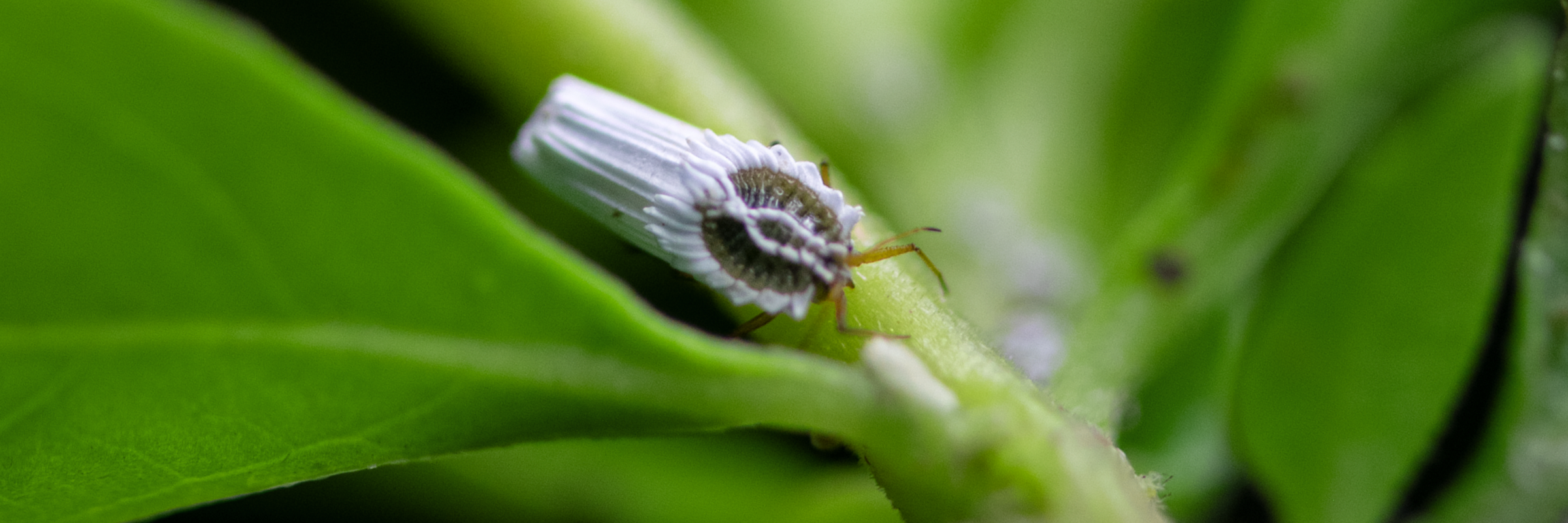
Adult female Insignibacter insignis insect (Photo: Sourajyoti Pal)
Insects can form complex associations with microbial symbionts. In some insects, the symbiotic bacteria live inside specialised host cells as endosymbionts, losing their ability to survive outside their hosts.
In a new study, researchers from the Department of Developmental Biology and Genetics led by Shantanu Shukla describe a novel bacterial endosymbiont that uses a peculiar route of transmission in a scale insect. The bacteria accumulate outside developing oocytes, after which the epithelial cells surrounding the oocyte undergo bizarre transformations. The cells typically have a cuboid or columnar morphology. However, upon contact with the bacteria, they lose their shape and instead transform into tubular elongations.
The researchers also found that these tubular protrusions are densely packed with the bacterial endosymbiont, which then detach from the cells to be incorporated inside the developing embryo. The cells thus function as transitory vehicles, transporting the bacteria from the exterior of the oocyte to its interior. There, the bacteria synthesise essential nutrients such as amino acids and vitamins, which are required for optimal embryonic growth. Elimination of the bacteria from the embryos was found to lead to high insect mortality and severe developmental defects.
The endosymbiont has a highly eroded genome, measuring only about 0.86 Mb. The bacterium has lost several of its genes while adapting to its endosymbiotic lifestyle. However, some genes encoding for nutrient biosynthesis, which were missing from the endosymbiont’s genome were found to be present in the host genome, acquired horizontally from other bacterial species. This shows that the genomes of the host and the symbiont have co-evolved.
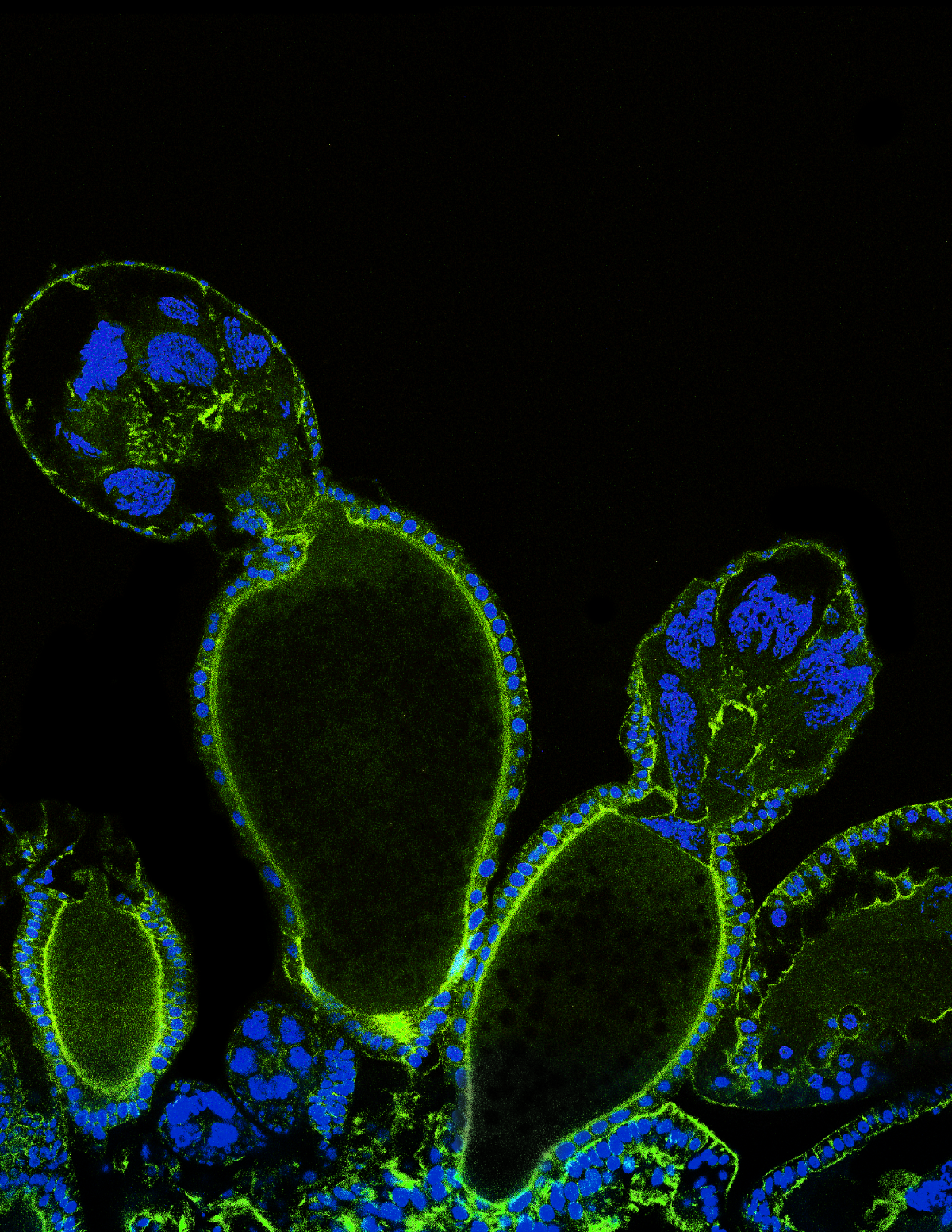
Fluorescence imaging of the insect oocytes (Image: Ojaswini)
REFERENCE:
Ojaswini, Pal S, Dhibar A, Chandra K, Rangarajan A, Shukla S, Cellular remodeling of ovarian follicular epithelial cells transmits an obligate nutritional endosymbiont in a scale insect, Proceedings of the National Academy of Sciences (2026).
https://doi.org/10.1073/pnas.2532091123
LAB WEBSITE:
https://shantanu-shukla.com/



